Floral
Leather
Woody
Top Notesbergamotlemonred wine
Heartcinnamongeraniumincensejasminerose
Base Notesambercedarwoodmuskpatchoulivanillavetiver
Tags
#fresh
#smoky
Style
unisex
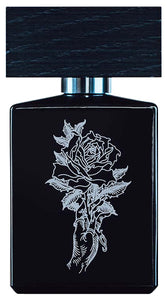

'A rose is a rose is not a rose'
All is not always as it first appears.
Character: Haunting, powerful, seductive.
Inspiration: A 16th Century epic allegorical poem; a sorceress; a mythic forest.
All about this fragrance
Vibe check
This is a fragrance for close quarters and low light, where its wine-dark rose and incense can unfold slowly and leave a memorable trail. It suits a wearer who wants presence without brightness: composed, a little dangerous, and impossible to read at first pass.
How to wear
Best in cool weather, where the incense, woods and ambered base can bloom without turning heavy. Apply lightly at first; one or two sprays is enough for a clear, elegant aura, while a fuller application brings out the smoky floral heart and gives the scent more room in the air.
Who it’s for
For those who like floral scents with a darker edge: rose tempered by smoke, woods and resin, with a dry, slightly leathery feel. It will appeal to wearers who prefer atmospheric, literary perfumes over polished prettiness.
Release year
2022
The nose
Julie Dunkley
Collaborators
Leo Crabtree, BeauFort London’s founder, shaped the fragrance’s concept and mythic direction, guiding the house’s dark, literary brief while Julie Dunkley translated that vision into scent.
Beaufort’s story
BeauFort London builds fragrances around British history, maritime imagery and elemental force, often using smoke, darkness and overdosed materials to create scents that feel dramatic, textured and deliberately uncompromising.
Acrasia’s concept
Acrasia takes its name and atmosphere from Edmund Spenser’s The Faerie Queene, drawing on the sorceress of the Bower of Bliss and the idea of temptation that looks beautiful at first glance. The fragrance frames that story through rose, wine and incense, with a forested, shadowed sensuality at its core.
Extra info
Acrasia belongs to BeauFort London’s Revenants collection and is named after the enchantress from The Faerie Queene. It is presented as an Eau de Parfum with a relatively high 30% concentration, which helps explain its dense, lingering character.
Out of stock
£125.00, 50 ml EdP
Out of stock
£6.00, 1 ml EdP
Sample discount program
Out of stock5 tokens, 10 ml EdP
What's this? Learn more
Top Notesbergamotlemonred wine
Heartcinnamongeraniumincensejasminerose
Base Notesambercedarwoodmuskpatchoulivanillavetiver
Tags
#fresh
#smoky
Style
unisex
'A rose is a rose is not a rose'
All is not always as it first appears.
Character: Haunting, powerful, seductive.
Inspiration: A 16th Century epic allegorical poem; a sorceress; a mythic forest.
All about this fragrance
Vibe check
This is a fragrance for close quarters and low light, where its wine-dark rose and incense can unfold slowly and leave a memorable trail. It suits a wearer who wants presence without brightness: composed, a little dangerous, and impossible to read at first pass.
How to wear
Best in cool weather, where the incense, woods and ambered base can bloom without turning heavy. Apply lightly at first; one or two sprays is enough for a clear, elegant aura, while a fuller application brings out the smoky floral heart and gives the scent more room in the air.
Who it’s for
For those who like floral scents with a darker edge: rose tempered by smoke, woods and resin, with a dry, slightly leathery feel. It will appeal to wearers who prefer atmospheric, literary perfumes over polished prettiness.
Release year
2022
The nose
Julie Dunkley
Collaborators
Leo Crabtree, BeauFort London’s founder, shaped the fragrance’s concept and mythic direction, guiding the house’s dark, literary brief while Julie Dunkley translated that vision into scent.
Beaufort’s story
BeauFort London builds fragrances around British history, maritime imagery and elemental force, often using smoke, darkness and overdosed materials to create scents that feel dramatic, textured and deliberately uncompromising.
Acrasia’s concept
Acrasia takes its name and atmosphere from Edmund Spenser’s The Faerie Queene, drawing on the sorceress of the Bower of Bliss and the idea of temptation that looks beautiful at first glance. The fragrance frames that story through rose, wine and incense, with a forested, shadowed sensuality at its core.
Extra info
Acrasia belongs to BeauFort London’s Revenants collection and is named after the enchantress from The Faerie Queene. It is presented as an Eau de Parfum with a relatively high 30% concentration, which helps explain its dense, lingering character.