Citrusy
Woody
Notesbergamotcedarwoodcedratlabdanumlemonmandarinmyrtlepetitgrainvetiver
Style
for her
for him
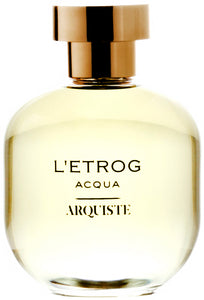
Early morning, October 1175, Calabria
The cool night air dissipates under the sun’s first rays. The ripe citrus in the field has absorbed all the water of the morning dew and the farmers are ready to work on the misty green fields, speckled by the bright yellow of the citron. They leave their woody cabin and take a deep breath…
All about this fragrance
Vibe check
This is a scent for close, attentive company in the first hours of the day, when the air is still cool and the light has just turned sharp. It reads as clean rather than sparkling, with a green, citrusy presence that feels quietly alert and composed.
How to wear
Best in warm weather and mild heat, where its citrus and petitgrain can stay crisp without turning thin. Apply lightly to pulse points or clothing for a restrained, close-to-skin trail; in stronger heat it becomes brisk and airy, while in cooler air the cedar base gives it more shape.
Who it’s for
For wearers who like citrus with structure: tart, green and woody rather than sweet or sheer. It will appeal to people drawn to refined freshness, historical concepts and fragrances that feel precise, natural and understated.
Release year
2014
The nose
Rodrigo Flores-Roux is known for a polished, highly legible style that balances naturalistic materials with a modern, architectural structure. He has worked across niche and designer perfumery, and his compositions often show a gift for clarity, texture and luminous citrus effects. For L'Etrog Acqua, he refines the original L'Etrog into a sharper, greener register, stripping away warmth to emphasize the cool snap of citron, petitgrain and woods. The result fits his strength in making fragrances feel precise, airy and beautifully composed without losing character.
Collaborators
Carlos Huber shaped the Arquiste concept and historical brief, framing the fragrance as a time capsule of medieval Calabria and guiding the brand’s narrative approach. Rodrigo Flores-Roux then translated that vision into the scent itself, revisiting the original L'Etrog in a leaner, brighter form for his own use before it became a release.
Arquiste’s story
Arquiste builds fragrances as historical reconstructions, using research, site visits and collaboration with historians and botanists to evoke specific places and moments. The house’s identity is intellectual but sensory: each scent is meant to feel like a carefully preserved fragment of time rather than a generic luxury composition.
L'Etrog Acqua’s concept
L'Etrog Acqua was conceived as a fresher reworking of the original L'Etrog, inspired by early morning in a Calabrian citron field in October 1175. The image is one of dew, mist and harvesters stepping out from a wooden cabin into a green landscape brightened by citron, with the composition shifting the original’s warmth toward a greener, more tart morning light.
Extra info
The name refers to the etrog, the citron used in Jewish ritual tradition, tying the fragrance to both harvest imagery and cultural history. It is a reimagining of Arquiste’s original L'Etrog, with the Acqua version pushing the composition toward a greener, more tart morning character.
Featured in edits and sample packs
Lovely Lemons Edit
Also featured in
Father's Day Gifts
Notesbergamotcedarwoodcedratlabdanumlemonmandarinmyrtlepetitgrainvetiver
Style
for her
for him
Early morning, October 1175, Calabria
The cool night air dissipates under the sun’s first rays. The ripe citrus in the field has absorbed all the water of the morning dew and the farmers are ready to work on the misty green fields, speckled by the bright yellow of the citron. They leave their woody cabin and take a deep breath…
All about this fragrance
Vibe check
This is a scent for close, attentive company in the first hours of the day, when the air is still cool and the light has just turned sharp. It reads as clean rather than sparkling, with a green, citrusy presence that feels quietly alert and composed.
How to wear
Best in warm weather and mild heat, where its citrus and petitgrain can stay crisp without turning thin. Apply lightly to pulse points or clothing for a restrained, close-to-skin trail; in stronger heat it becomes brisk and airy, while in cooler air the cedar base gives it more shape.
Who it’s for
For wearers who like citrus with structure: tart, green and woody rather than sweet or sheer. It will appeal to people drawn to refined freshness, historical concepts and fragrances that feel precise, natural and understated.
Release year
2014
The nose
Rodrigo Flores-Roux is known for a polished, highly legible style that balances naturalistic materials with a modern, architectural structure. He has worked across niche and designer perfumery, and his compositions often show a gift for clarity, texture and luminous citrus effects. For L'Etrog Acqua, he refines the original L'Etrog into a sharper, greener register, stripping away warmth to emphasize the cool snap of citron, petitgrain and woods. The result fits his strength in making fragrances feel precise, airy and beautifully composed without losing character.
Collaborators
Carlos Huber shaped the Arquiste concept and historical brief, framing the fragrance as a time capsule of medieval Calabria and guiding the brand’s narrative approach. Rodrigo Flores-Roux then translated that vision into the scent itself, revisiting the original L'Etrog in a leaner, brighter form for his own use before it became a release.
Arquiste’s story
Arquiste builds fragrances as historical reconstructions, using research, site visits and collaboration with historians and botanists to evoke specific places and moments. The house’s identity is intellectual but sensory: each scent is meant to feel like a carefully preserved fragment of time rather than a generic luxury composition.
L'Etrog Acqua’s concept
L'Etrog Acqua was conceived as a fresher reworking of the original L'Etrog, inspired by early morning in a Calabrian citron field in October 1175. The image is one of dew, mist and harvesters stepping out from a wooden cabin into a green landscape brightened by citron, with the composition shifting the original’s warmth toward a greener, more tart morning light.
Extra info
The name refers to the etrog, the citron used in Jewish ritual tradition, tying the fragrance to both harvest imagery and cultural history. It is a reimagining of Arquiste’s original L'Etrog, with the Acqua version pushing the composition toward a greener, more tart morning character.
Featured in edits and sample packs
Lovely Lemons Edit
Also featured in
Father's Day Gifts