Floral
Vintage/old school
Top Notesalmondlemonpeony
Heartchypregeraniumrose
Base Notesoakmosspatchouli
Style
for her
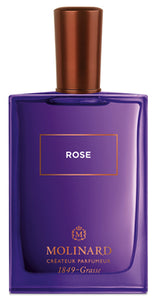
Sensual and voluptuous, Rose has a mysterious simplicity. The Eau de Parfum embodies contemporary feminity with graceful notes ans playfully unveils its fruity chords. An invitation to a walk along the Riviera as a return to the Dolce Vita.
All about this fragrance
Vibe check
This is a fragrance for close, sunlit company: a polished lunch that stretches into the afternoon, linen moving in a warm breeze, skin warmed by light rather than heat. It feels poised but not formal, with a soft floral presence that reads as graceful and quietly seductive.
How to wear
Best in mild to warm weather, where its floral heart can open without becoming heavy. Apply lightly, as the composition is meant to feel graceful and intimate rather than loud; a few sprays on skin and clothing will give it a soft, lingering trail with a gentle fruity-floral lift.
Who it’s for
For someone who loves classic floral perfumes with a vintage edge, especially rose compositions that feel refined rather than sugary. It will appeal to wearers who enjoy peony softness, a touch of green geranium, and a feminine style that is sensual but controlled.
Release year
1860
Molinard’s story
Molinard is a family house rooted in Grasse, where it has long balanced craft and continuity with a willingness to reinterpret its heritage. Its style leans on noble natural materials, floral tradition and a distinctly French sense of elegance, while keeping the work alive through modern variations and a strong artisanal identity.
Rose’s concept
Rose belongs to Molinard’s long rose lineage, which grew out of the house’s early floral waters and 1860 soliflore creations. The fragrance reflects the brand’s Grasse heritage through a simple but sensual rose idea, framed as a contemporary take on femininity with a Riviera, Dolce Vita mood.
Extra info
Molinard has been making rose fragrances since the 19th century, and Rose sits within that long-running house tradition. The brand’s rose line includes both classic soliflores and newer interpretations, showing how a single floral theme can be revisited across generations.
Featured in edits and sample packs
A Rose for Every Nose
Top Notesalmondlemonpeony
Heartchypregeraniumrose
Base Notesoakmosspatchouli
Style
for her
Sensual and voluptuous, Rose has a mysterious simplicity. The Eau de Parfum embodies contemporary feminity with graceful notes ans playfully unveils its fruity chords. An invitation to a walk along the Riviera as a return to the Dolce Vita.
All about this fragrance
Vibe check
This is a fragrance for close, sunlit company: a polished lunch that stretches into the afternoon, linen moving in a warm breeze, skin warmed by light rather than heat. It feels poised but not formal, with a soft floral presence that reads as graceful and quietly seductive.
How to wear
Best in mild to warm weather, where its floral heart can open without becoming heavy. Apply lightly, as the composition is meant to feel graceful and intimate rather than loud; a few sprays on skin and clothing will give it a soft, lingering trail with a gentle fruity-floral lift.
Who it’s for
For someone who loves classic floral perfumes with a vintage edge, especially rose compositions that feel refined rather than sugary. It will appeal to wearers who enjoy peony softness, a touch of green geranium, and a feminine style that is sensual but controlled.
Release year
1860
Molinard’s story
Molinard is a family house rooted in Grasse, where it has long balanced craft and continuity with a willingness to reinterpret its heritage. Its style leans on noble natural materials, floral tradition and a distinctly French sense of elegance, while keeping the work alive through modern variations and a strong artisanal identity.
Rose’s concept
Rose belongs to Molinard’s long rose lineage, which grew out of the house’s early floral waters and 1860 soliflore creations. The fragrance reflects the brand’s Grasse heritage through a simple but sensual rose idea, framed as a contemporary take on femininity with a Riviera, Dolce Vita mood.
Extra info
Molinard has been making rose fragrances since the 19th century, and Rose sits within that long-running house tradition. The brand’s rose line includes both classic soliflores and newer interpretations, showing how a single floral theme can be revisited across generations.
Featured in edits and sample packs
A Rose for Every Nose