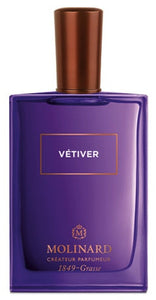
This item is permanently unavailable and will not be coming back in stock.Read more
The following are some reasons why perfumes can become unavailable:
Each year, the International Fragrance Association (IFRA) issues ever-stricter safety and allergen regulations. This affects quite a few classic formulas as well as niche compositions, and sometimes brands have to discontinue a perfume if they are unable to reformulate.
The brand decides to change the concentration. For example, an eau de parfum is reformulated as an extrait, effectively turning it into a different perfume.
The brand ceases operating. The creative director passed away, got bored, started a new project, sold the business, etc.
The brand cannot keep up with logistics and production demands, with disruptions for up to a year. If there is no regular production and availability schedule, it is not viable for a stockist to carry the brand.
The brand changed the distribution model, eg from niche to duty free.
Base Noteshaiti vetiverjava vetiveroakmosstobaccovetiver
Styleunisex
Molinard takes you on a journey far away, through arid and exotic landscapes. Across these expanses of sandy soil grows a dense carpet of tall, straw-green grasses with an intriguing appearance. Vétiver arouses curiosity, appearing to float in the air while being rooted deep in the earth, omnipresent yet insignificant.
The opening notes are fresh and luminous, shot through with sparkling grapefruit and bitter orange. The heart of amber, lavender, and violet intensify the fragrance before giving way to vetiver. The intertwining roots from Java and Haïti open up to release fresh citrusy scents, woody, and delicate smoky notes all at once, with a powerful and elegant trail.
An evocative kaleidoscope of aromas within a single substance celebrated in a modern scent for men and women alike.
This suits a wearer who likes their presence to feel composed rather than loud: dry air, clean lines, a jacket collar, and the subtle authority of something earthy under polish. It reads especially well in close quarters, where its citrus lift and vetiver depth can unfold without crowding the room.
How to wear
Best in mild to cool weather, when its citrus opening stays bright and the vetiver can settle into a smooth, smoky dryness. Apply moderately; a few sprays are enough to let the fragrance project with clarity without becoming austere. On skin it feels refined and linear, with a crisp first impression and a grounded finish.
Who it’s for
For those drawn to vetiver in its classic, dry, aromatic form: citrus-bright at first, then woody, smoky and slightly green. It will appeal to lovers of understated elegance, traditional masculine structure, and fragrances that feel tailored rather than decorative.
Release year
1984
The nose
Molinard does not publicly credit a named perfumer for Vétyver. The fragrance belongs to the house’s long family tradition, where successive generations have shaped a style rooted in Grasse craftsmanship, noble materials and a taste for distinctive, characterful compositions. That lineage matters here: Vétyver reads as a disciplined vetiver study, balancing freshness, aromatic structure and a dry woody finish. It reflects the kind of clear, ingredient-led perfumery Molinard has long favoured, where the material itself remains the focus rather than overt ornament.
Molinard’s story
Molinard is a historic Grasse house that treats perfume as craft, memory and material beauty. Family-run for generations, it favours noble ingredients, artisanal know-how and a distinctly French sense of refinement.
Vétiver (Discontinued)’s concept
Vétyver was launched in 1984 as Molinard’s take on a classic vetiver composition: crisp citrus at the top, aromatic florals in the middle and a rooty, smoky base. It sits within a house history that has long valued vetiver as a noble ingredient, notably in Habanita, which helped bring it into a more feminine register.
Extra info
Vétyver is also spelled Vétiver in some references. Molinard has a long association with vetiver, including Habanita in 1921, which is often cited for bringing the note into a more feminine context.
Celebrity connection
Queen Victoria is cited among Molinard’s early clients, but no confirmed celebrity wearers are specifically linked to Vétyver.
Base Noteshaiti vetiverjava vetiveroakmosstobaccovetiver
Styleunisex
Molinard takes you on a journey far away, through arid and exotic landscapes. Across these expanses of sandy soil grows a dense carpet of tall, straw-green grasses with an intriguing appearance. Vétiver arouses curiosity, appearing to float in the air while being rooted deep in the earth, omnipresent yet insignificant.
The opening notes are fresh and luminous, shot through with sparkling grapefruit and bitter orange. The heart of amber, lavender, and violet intensify the fragrance before giving way to vetiver. The intertwining roots from Java and Haïti open up to release fresh citrusy scents, woody, and delicate smoky notes all at once, with a powerful and elegant trail.
An evocative kaleidoscope of aromas within a single substance celebrated in a modern scent for men and women alike.
This suits a wearer who likes their presence to feel composed rather than loud: dry air, clean lines, a jacket collar, and the subtle authority of something earthy under polish. It reads especially well in close quarters, where its citrus lift and vetiver depth can unfold without crowding the room.
How to wear
Best in mild to cool weather, when its citrus opening stays bright and the vetiver can settle into a smooth, smoky dryness. Apply moderately; a few sprays are enough to let the fragrance project with clarity without becoming austere. On skin it feels refined and linear, with a crisp first impression and a grounded finish.
Who it’s for
For those drawn to vetiver in its classic, dry, aromatic form: citrus-bright at first, then woody, smoky and slightly green. It will appeal to lovers of understated elegance, traditional masculine structure, and fragrances that feel tailored rather than decorative.
Release year
1984
The nose
Molinard does not publicly credit a named perfumer for Vétyver. The fragrance belongs to the house’s long family tradition, where successive generations have shaped a style rooted in Grasse craftsmanship, noble materials and a taste for distinctive, characterful compositions. That lineage matters here: Vétyver reads as a disciplined vetiver study, balancing freshness, aromatic structure and a dry woody finish. It reflects the kind of clear, ingredient-led perfumery Molinard has long favoured, where the material itself remains the focus rather than overt ornament.
Molinard’s story
Molinard is a historic Grasse house that treats perfume as craft, memory and material beauty. Family-run for generations, it favours noble ingredients, artisanal know-how and a distinctly French sense of refinement.
Vétiver (Discontinued)’s concept
Vétyver was launched in 1984 as Molinard’s take on a classic vetiver composition: crisp citrus at the top, aromatic florals in the middle and a rooty, smoky base. It sits within a house history that has long valued vetiver as a noble ingredient, notably in Habanita, which helped bring it into a more feminine register.
Extra info
Vétyver is also spelled Vétiver in some references. Molinard has a long association with vetiver, including Habanita in 1921, which is often cited for bringing the note into a more feminine context.
Celebrity connection
Queen Victoria is cited among Molinard’s early clients, but no confirmed celebrity wearers are specifically linked to Vétyver.