Aromatic
Woody
Top Notesbergamotclary sagegingersaffron
Heartblack teafrankincensesequoiaspikenard
Base Notescocoaleatherpatchoulistyrax
Tags
#smoky
Style
for her
for him
unisex
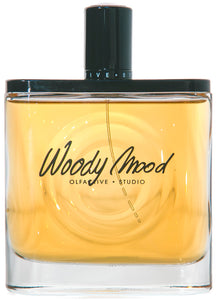
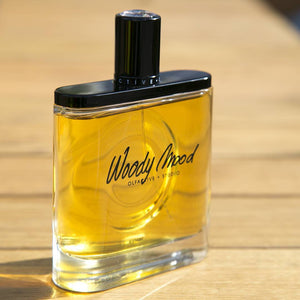
The concept of the smell is walking among giant sequoias, so tall the sunlight never reaches the ground, breathing crisp air of a coniferous forest. Expect a seriously dark woody character, more on the drier resinous side of the woody spectrum.
The perfume has a smoky nuance but neither in the creamy way of Le Labo's Santal 37 nor in the outrageous gunpowder way of Beaufort's Tonnere. Woody Mood's smokiness is a gentle facette combined from smoky nuances of frankincense, sequoia and black tea.
All about this fragrance
Vibe check
This is a fragrance for close, attentive spaces rather than loud entrances: a dim room, a wool coat, a quiet conversation, the sense of standing still while something dense and wooded moves around you. It projects a composed, shadowed presence.
How to wear
Best in cool weather, when its dry woods, saffron and resinous smoke can unfold without feeling heavy. Apply lightly to the chest or scarf for a more intimate effect, or add one spray to the neck if you want the sequoia and incense facets to drift more clearly in the air.
Who it’s for
For wearers who like dark woods, dry resins, incense and a restrained smoky edge rather than sweet or creamy woods. It suits those drawn to atmospheric, contemplative fragrances with a natural, forested texture and a polished niche feel.
Release year
2017
The nose
Bertrand Duchaufour. Duchaufour is one of niche perfumery’s most distinctive modern voices, known for textured compositions that balance structure with atmosphere. His work often leans into woods, resins, incense and spice, with a painterly sense of depth and movement. For Woody Mood, that style is especially apt: the fragrance’s dry sequoia accord, smoky facets and resinous base reflect his talent for building landscapes rather than simple note lists. The result feels like one of his signature scent-portraits, where place and material become the composition itself.
Collaborators
Céline Verleure shaped the creative brief by selecting Roger Steffens’ 1973 Redwood Alien photograph and handing it directly to the perfumer as the sole visual inspiration, continuing Olfactive Studio’s image-led method of development.
Olfactive Studio’s story
Olfactive Studio builds fragrances from photography, treating an image as the starting point for scent rather than a marketing concept. The house favors artistic collaboration, limited annual releases and compositions that feel like olfactory interpretations of a visual mood.
Woody Mood’s concept
Woody Mood was created from Roger Steffens’ 1973 photograph Redwood Alien, a view of giant sequoias that suggested scale, shadow and cool forest air. Céline Verleure found the image at a Paris art exhibition and used it as the brief for Bertrand Duchaufour, who translated that visual stillness into a dark, resinous woody composition.
Extra info
Woody Mood is one of Olfactive Studio’s iconic fragrances, alongside Autoportrait, Still Life and Panorama. Its name and concept come directly from a 1973 photograph, making it a true photo-to-perfume translation.
Top Notesbergamotclary sagegingersaffron
Heartblack teafrankincensesequoiaspikenard
Base Notescocoaleatherpatchoulistyrax
Tags
#smoky
Style
for her
for him
unisex
The concept of the smell is walking among giant sequoias, so tall the sunlight never reaches the ground, breathing crisp air of a coniferous forest. Expect a seriously dark woody character, more on the drier resinous side of the woody spectrum.
The perfume has a smoky nuance but neither in the creamy way of Le Labo's Santal 37 nor in the outrageous gunpowder way of Beaufort's Tonnere. Woody Mood's smokiness is a gentle facette combined from smoky nuances of frankincense, sequoia and black tea.
All about this fragrance
Vibe check
This is a fragrance for close, attentive spaces rather than loud entrances: a dim room, a wool coat, a quiet conversation, the sense of standing still while something dense and wooded moves around you. It projects a composed, shadowed presence.
How to wear
Best in cool weather, when its dry woods, saffron and resinous smoke can unfold without feeling heavy. Apply lightly to the chest or scarf for a more intimate effect, or add one spray to the neck if you want the sequoia and incense facets to drift more clearly in the air.
Who it’s for
For wearers who like dark woods, dry resins, incense and a restrained smoky edge rather than sweet or creamy woods. It suits those drawn to atmospheric, contemplative fragrances with a natural, forested texture and a polished niche feel.
Release year
2017
The nose
Bertrand Duchaufour. Duchaufour is one of niche perfumery’s most distinctive modern voices, known for textured compositions that balance structure with atmosphere. His work often leans into woods, resins, incense and spice, with a painterly sense of depth and movement. For Woody Mood, that style is especially apt: the fragrance’s dry sequoia accord, smoky facets and resinous base reflect his talent for building landscapes rather than simple note lists. The result feels like one of his signature scent-portraits, where place and material become the composition itself.
Collaborators
Céline Verleure shaped the creative brief by selecting Roger Steffens’ 1973 Redwood Alien photograph and handing it directly to the perfumer as the sole visual inspiration, continuing Olfactive Studio’s image-led method of development.
Olfactive Studio’s story
Olfactive Studio builds fragrances from photography, treating an image as the starting point for scent rather than a marketing concept. The house favors artistic collaboration, limited annual releases and compositions that feel like olfactory interpretations of a visual mood.
Woody Mood’s concept
Woody Mood was created from Roger Steffens’ 1973 photograph Redwood Alien, a view of giant sequoias that suggested scale, shadow and cool forest air. Céline Verleure found the image at a Paris art exhibition and used it as the brief for Bertrand Duchaufour, who translated that visual stillness into a dark, resinous woody composition.
Extra info
Woody Mood is one of Olfactive Studio’s iconic fragrances, alongside Autoportrait, Still Life and Panorama. Its name and concept come directly from a 1973 photograph, making it a true photo-to-perfume translation.